Get Industrial Fence Installation
Industrial fence installation services help property owners secure, define, and protect their sites through various fencing solutions handled by trusted local contractors.
Industrial fence installation is a practical solution for property owners seeking to enhance security, define boundaries, or improve privacy on their commercial or industrial sites. Whether planning a new project or upgrading existing fencing, understanding the options available and comparing local contractors can help ensure the work aligns with specific needs and site conditions. Exploring different service providers in the area allows property owners to find experienced professionals capable of delivering durable and reliable fencing solutions tailored to their requirements.
By considering local contractors specializing in industrial fence installation, property owners can access a range of services suited to various project scopes. From site preparation to installation and finishing touches, these service providers can assist in planning and executing fencing projects that meet safety standards and functional goals. Continuing to explore local options helps ensure the selection of skilled professionals who can support the successful completion of industrial fencing projects.
- Commercial property fencing - when businesses need secure boundaries to protect assets and define their premises.
- Industrial yard fencing - for warehouses and factories requiring durable barriers to control access and enhance security.
- Construction site fencing - during building projects to ensure safety and restrict unauthorized entry.
- Agricultural fencing - when farms need enclosures to manage livestock or protect crops from wildlife.
- Perimeter fencing installation - for property owners seeking to establish clear boundaries and improve privacy.
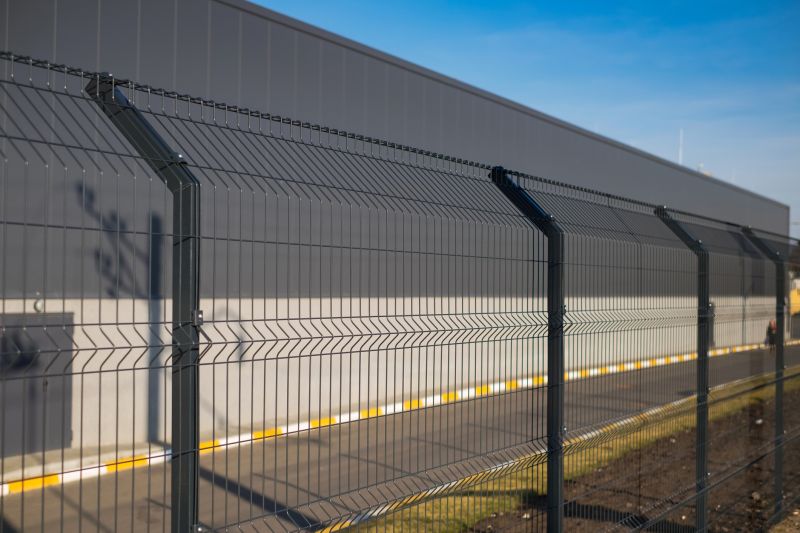
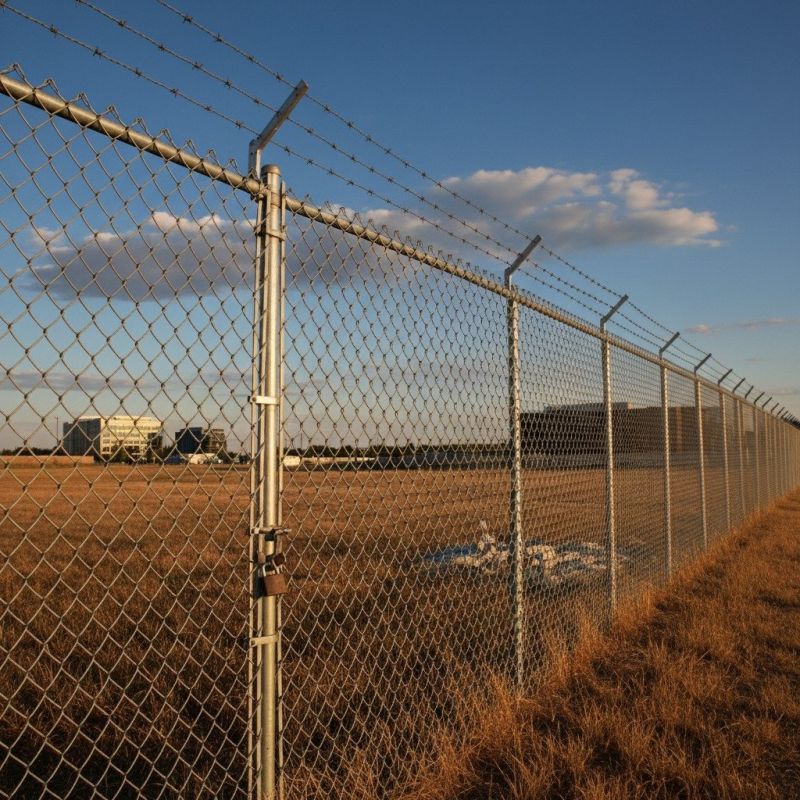
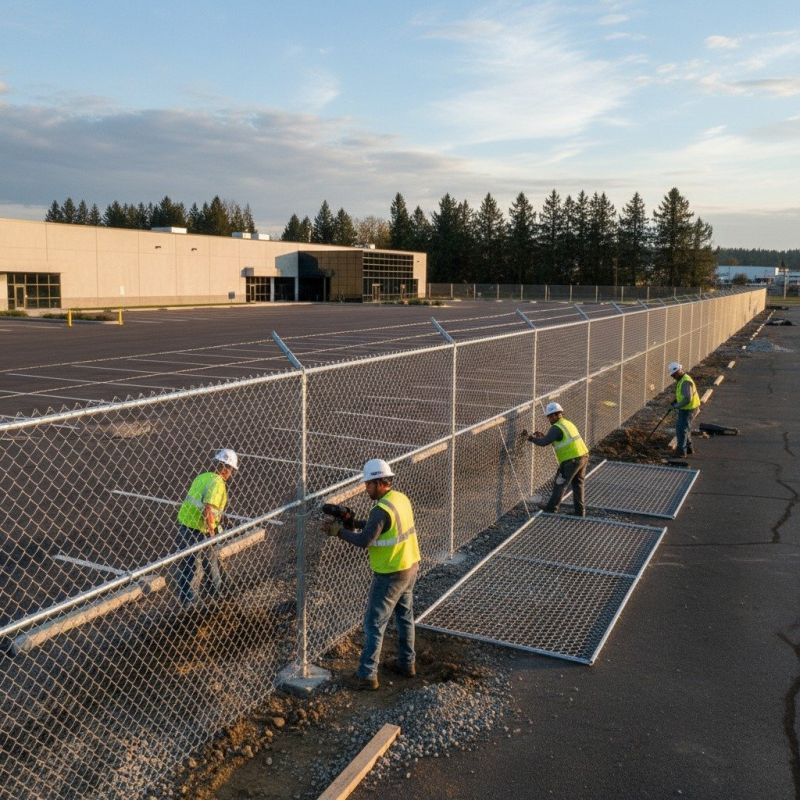
Industrial fence installation services involve the design, placement, and secure setup of fences made from durable materials such as chain-link, steel, or barbed wire. These services typically include site assessment, custom planning to meet security or boundary needs, and professional installation to ensure the fence is stable and long-lasting. Whether for protecting equipment, securing a perimeter, or establishing clear property boundaries, experienced contractors focus on providing fences that stand up to demanding conditions and provide reliable security.
This type of fencing helps address a variety of challenges faced by property owners. It can prevent unauthorized access to sensitive areas, deter theft or vandalism, and contain equipment or materials within a designated space. Industrial fences also help define property lines clearly, reducing disputes with neighboring properties. Additionally, they can serve as a visual barrier, enhancing privacy and safety on large sites or facilities.
Properties that commonly utilize industrial fencing include warehouses, manufacturing plants, storage yards, construction sites, and commercial facilities. These properties often require high-security fencing to protect valuable assets and ensure safety for workers and visitors. Even large-scale agricultural operations or transportation hubs may benefit from robust fencing solutions to control access and safeguard operations.
Homeowners may consider industrial fence installation services if they need a high-security barrier around a large property, such as for a private driveway, workshop, or home-based business. It’s also suitable for residential properties with extensive land that requires boundary demarcation or protection from intruders. When property owners face issues like trespassing, theft, or boundary disputes, connecting with local contractors who specialize in industrial fencing can provide effective, customized solutions to meet these needs.
The overview below groups typical Industrial Fence Installation projects into broad ranges so you can see how smaller, mid-sized, and larger jobs often compare in your area.
In many markets, a large share of routine jobs stays in the lower and middle ranges, while only a smaller percentage of projects moves into the highest bands when the work is more complex or site conditions are harder than average.
Smaller Repairs - Typical costs for minor fence repairs or replacements of a few panels generally range from $250-$600. Many routine jobs fall within this middle range, with fewer projects reaching higher prices. Local contractors can provide estimates based on the specific scope of work.
Standard Fence Installation - Installing a new fence of moderate length and height usually costs between $1,500-$3,500. Most projects in this category are completed within this range, though larger properties may push costs higher depending on materials and complexity.
Full Fence Replacement - Replacing an entire existing fence can typically range from $3,000-$7,000, depending on size, materials, and site conditions. Larger, more intricate projects tend to reach or exceed the upper end of this range, but many replacements stay within the middle tiers.
Custom or Commercial Fences - Custom-designed or commercial-grade fencing projects often start around $5,000 and can go well above $10,000 for extensive or high-security installations. These projects are less common and usually represent the higher end of the cost spectrum, with many projects falling in the $5,000-$8,000 range.
Actual totals will depend on details like access to the work area, the scope of the project, and the materials selected, so use these as general starting points rather than exact figures.
Perimeter Security Fencing - local contractors specializing in industrial fence installation often handle perimeter security fencing for warehouses, factories, and commercial properties.
Warehouse Racking and Partitioning - installing industrial shelving and partition systems requires similar planning and tools as fence installation to ensure safety and accessibility.
Construction Site Barriers - temporary fencing and barriers for construction sites involve comparable skills in site planning, material handling, and installation techniques.
Storage Facility Enclosures - designing and installing enclosures for storage units or equipment utilizes similar expertise in site assessment and fencing materials.
Industrial Gate Systems - integrating gates with fencing structures demands coordination, planning, and installation skills akin to fence setup projects.
Security Camera Mounting and Wiring - setting up security cameras on fences or industrial sites involves planning and installation skills related to fencing projects.
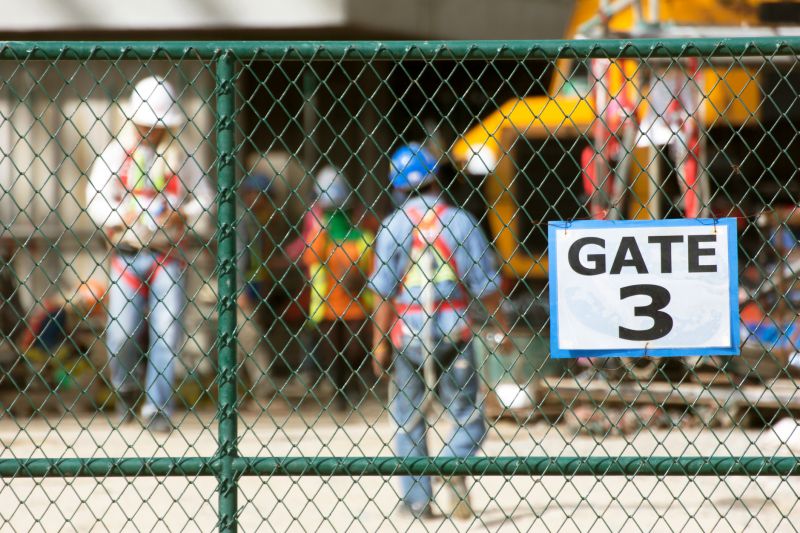
When comparing service providers for industrial fence installation, it’s important to consider their experience with similar projects. A contractor’s background in handling industrial fencing ensures they are familiar with the specific requirements and challenges that such projects may present. Look for local contractors who have a proven track record of completing projects comparable in scope and complexity, as this can be an indicator of their capability to deliver quality results efficiently.
Clear and detailed written expectations are essential when evaluating potential service providers. Reputable local pros should be able to provide comprehensive proposals that outline the scope of work, materials to be used, and the overall process. Having well-defined expectations helps ensure everyone is on the same page and reduces the likelihood of misunderstandings or surprises during the project. Clear communication about what to expect also demonstrates professionalism and a commitment to transparency.
Reputable references and good communication are key factors in selecting a dependable contractor. Ask for references from previous clients who had similar projects completed, and take the time to verify their experiences. Additionally, choose local service providers who demonstrate responsiveness and clarity in their communication, as this reflects their dedication to customer service and their ability to keep projects on track. Remember, this site’s role is to connect homeowners with qualified local contractors, not to perform the work itself.
Property owners use Industrial Fence Installation services for practical projects around their homes and businesses. This guide focuses on everyday jobs and straightforward project options.
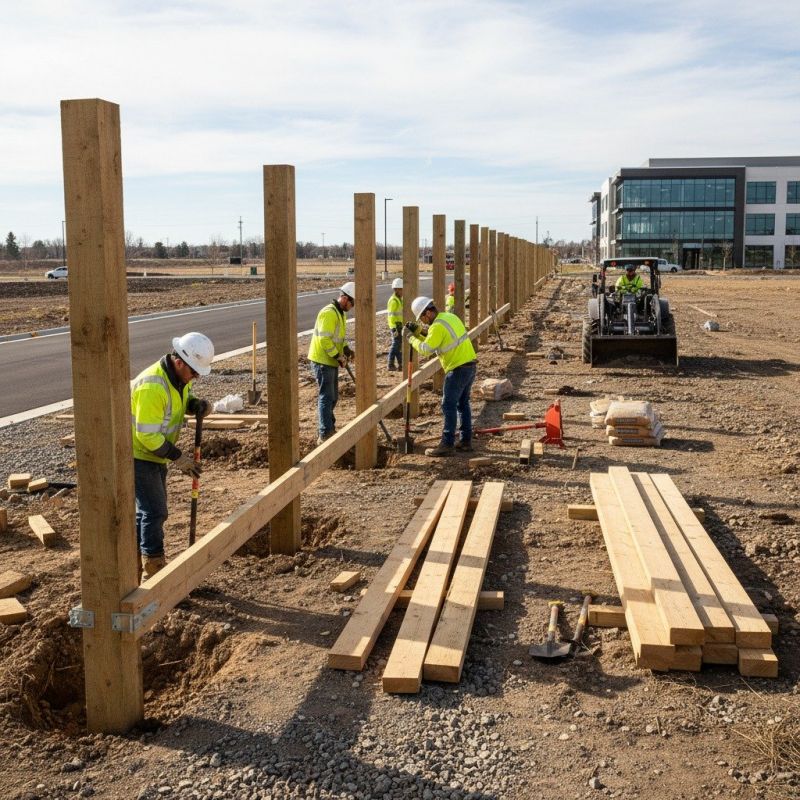
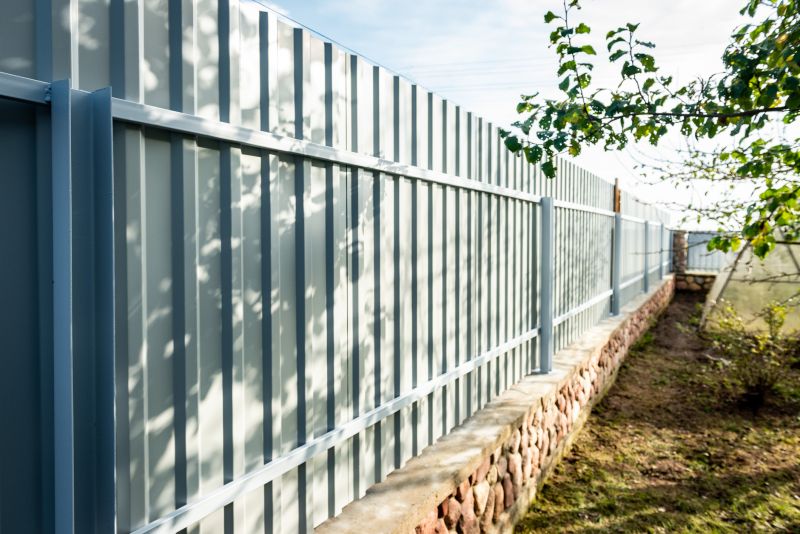
Industrial fence installation is a common project for property owners seeking to secure their facilities, define boundaries, or improve security around warehouses, factories, or commercial sites. Local contractors often handle tasks such as installing chain-link, metal, or privacy fences to help keep unauthorized individuals out and ensure safety on the premises. These projects may arise from needs like protecting equipment, controlling access points, or simply marking property lines clearly and efficiently.
Property owners in the area might look for professional fence installation services when upgrading existing fencing or establishing new barriers for their industrial or commercial properties. Whether for security enhancements, aesthetic improvements, or compliance with local regulations, local service providers can assist with a variety of fencing solutions tailored to specific project requirements. Connecting with experienced contractors can help ensure the work is completed to standard and meets the property's operational needs.
What types of industrial fences do local contractors install? Local contractors typically install various types of industrial fences, including chain-link, steel panel, and barbed wire fences, to meet different security and containment needs.
Can local service providers customize industrial fence designs? Yes, many local contractors offer customization options to match specific security requirements, property aesthetics, or operational needs.
What are common materials used for industrial fencing? Common materials include galvanized steel, aluminum, chain-link mesh, and welded wire, chosen for durability and security.
Do local contractors handle both installation and removal of existing fences? Many service providers manage both installing new fences and removing or replacing old fencing as part of their services.
How do local pros ensure the fences meet industrial standards? Local contractors follow industry best practices and safety guidelines to ensure fences are properly installed and secure for industrial applications.
Perimeter Security - Property owners can install fences to secure their land and prevent unauthorized access around homes or commercial sites.
Animal Containment - Fences can be used to enclose yards or farms, keeping pets or livestock safely within designated areas.
Privacy Enhancement - Installing fences provides a barrier that helps block views from neighbors or passersby for more private outdoor spaces.
Property Demarcation - Fences can clearly define property boundaries, reducing disputes and establishing clear ownership lines.
If you are thinking about Industrial Fence Installation for a property, this guide is meant to help you understand the work, the typical project types, and how different options might fit your plans.
When you are ready, you can use the quote form on this page to share a few details about your project. From there, local pros can review the basics and respond with options that match what you have in mind.